Mermaid Tail 40 OZ Tumbler STL File: Merging Digital Fabrication with Personalized Lifestyle Trends
The intersection of digital manufacturing and personal lifestyle accessories has created a burgeoning marketplace for creators, entrepreneurs, and enthusiasts. At the forefront of this convergence is the Mermaid Tail, 40 OZ Tumbler, Stl File, a digital asset that represents far more than a simple decorative add-on. It serves as a case study in how niche aesthetics, functional design, and accessible technology are reshaping consumer product development. For professionals in the 3D printing space, marketers observing micro-trends, and creators building digital product portfolios, understanding the relevance of this specific file type offers insight into the broader ecosystem of on-demand customization.
Defining the Digital Asset and Its Functional Scope
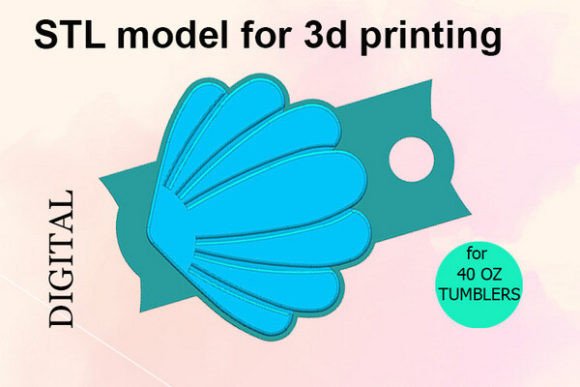
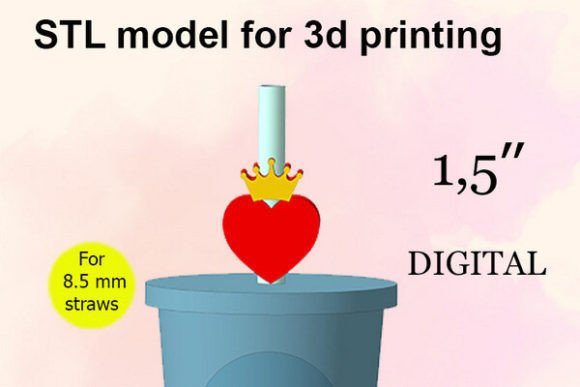
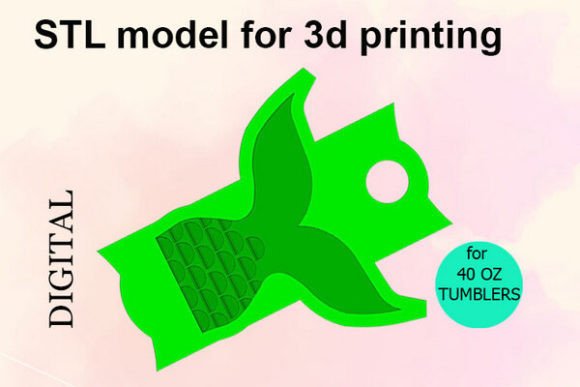
To understand the market value, one must first define the technical and practical parameters of the product. This digital STL file is ready to print on your 3D printer, serving as a bridge between virtual design and physical utility. The Topper is designed for 40 OZ Tumbler models, specifically targeting the standardized dimensions of popular hydration vessels that have dominated social media and retail spaces over the last few years. Unlike generic decorative items, this file addresses a specific compatibility need within an existing hardware ecosystem.
The Stl File is suitable for printing with plastic of various colors, allowing for material versatility that appeals to both hobbyists and small-scale manufacturers using PLA, PETG, or ABS filaments. Furthermore, the design anticipates post-processing workflows; after printing the topper on a 3D printer, you can decorate it manually. This feature is critical for professionals offering value-added services, as it transforms a standard print into a bespoke art piece through painting, sealing, or embellishment. The product package ensures immediate accessibility: You will receive an instant download file of this design, once payment is made. Files are sent zipped to preserve integrity, and this digital product includes ONE 1 Zip file with ONE 1 STL FILE, streamlining the user experience from purchase to production.
The Convergence of Hydration Culture and Additive Manufacturing
The popularity of the Mermaid Tail, 40 OZ Tumbler, Stl File cannot be viewed in isolation. It exists at the nexus of two massive cultural shifts: the wellness-driven hydration trend and the democratization of additive manufacturing. The 40-ounce tumbler has evolved from a mere beverage container into a lifestyle signifier, representing health consciousness, sustainability, and personal identity. As these vessels became ubiquitous, the demand for differentiation skyrocketed. Consumers no longer wanted identical products; they sought extensions of their personality.
Additive manufacturing fulfills this desire for individuation at a scale traditional injection molding cannot match. For entrepreneurs and freelancers, this creates a low-barrier entry point into the accessory market. Instead of investing thousands in steel molds for a single mermaid tail design, a creator can iterate digitally and produce physically on demand. This shift reduces inventory risk and allows for rapid response to aesthetic trends. The mermaid motif itself taps into the enduring "cottagecore" and fantasy aesthetics that permeate current consumer preferences, proving that functional objects are increasingly expected to carry narrative weight.
Economic Implications for Digital Product Creators
For digital artists and 3D modelers, files like this represent a high-margin revenue stream. The economics of selling STL files differ fundamentally from physical goods. There is no shipping logistics, no raw material cost per unit, and no storage overhead. Once the Mermaid Tail, 40 OZ Tumbler, Stl File is designed and listed, the marginal cost of replication is zero. This model empowers freelancers to monetize their CAD skills directly, bypassing traditional manufacturing gatekeepers.
However, success in this space requires more than modeling proficiency. It demands an understanding of platform interoperability and printability. A professional-grade STL file must be manifold, optimized for orientation, and tested across different printer architectures. The note that users can also order a print of this Stl file from the print service highlights a hybrid business model gaining traction. By offering both the digital file and a physical fulfillment option, sellers capture two distinct market segments: the DIY enthusiast with their own equipment and the consumer who desires the aesthetic without owning the technology. This dual-revenue approach maximizes the total addressable market for a single digital asset.
Aesthetic Customization as a Value Proposition
In an era of mass production, the ability to customize is a premium feature. The design philosophy behind this mermaid tail topper acknowledges that the end-user is often a co-creator. 🧜♀️ Dive into the enchanting world of mermaids with this elegant addition to your tumbler, but recognize that the elegance is amplified by user agency. The explicit mention that the topper can be decorated manually signals to professional makers that this is a canvas, not just a component.
This aligns with the "maker movement's" evolution toward artisanal finishing. We are seeing a rise in businesses that specialize solely in post-processing 3D prints—sanding, priming, painting, and coating. A raw print of a Mermaid Tail, 40 OZ Tumbler, Stl File might sell for a modest sum, but a hand-painted, UV-sealed version commands a significantly higher price point. For marketers and brand builders, this suggests that the value lies not just in the geometry of the file, but in the creative potential it unlocks. 🌊 Let the whimsical mermaid tail design transport you to a world of fantasy and wonder as you sip your favorite beverages, but also view it as a platform for showcasing artistic skill and craftsmanship.
Technical Considerations for Professional Workflows
Professionals integrating this type of asset into their workflow must consider the technical nuances of FDM (Fused Deposition Modeling) printing. While the file is designed for broad compatibility, achieving commercial-grade results requires attention to detail:
- Material Selection: Since the topper sits atop a beverage vessel, food-safe considerations and thermal resistance are paramount. While PLA is common for decorative elements, PETG may be preferred for durability and safety compliance if the topper contacts liquid directly.
- Tolerance Management: The fitment for a 40 OZ Tumbler relies on precise tolerances. Professionals must account for filament shrinkage and printer calibration to ensure the topper stays secure without cracking the tumbler lid or falling off during use.
- Surface Quality: For items intended for manual decoration, layer lines can be either a feature or a flaw. Adjusting layer height and utilizing variable infill can optimize the surface for painting while reducing print time.
These technical factors distinguish a professional output from a casual hobbyist print. Understanding them allows creators to market their services or products with authority and reliability.
Lifestyle Integration and Consumer Psychology
Why are consumers paying attention to such specific accessories? The answer lies in the psychology of ownership and identity expression. 🌟 Elevate your tumbler game and make a splash with this unique accessory because modern consumption is performative. It is not just a straw topper; it is a statement piece that reflects your love for mythical creatures and stylish living. In digital spaces, where visual identity is currency, accessories serve as signaling mechanisms. They communicate belonging to specific subcultures, appreciation for fantasy, or alignment with eco-conscious reuse practices.
Whether it is a refreshing iced tea or a cozy hot chocolate, this accessory adds a touch of magic to any drink, transforming a mundane daily ritual into a moment of delight. For marketers, this emotional connection is the key driver of engagement. Products that facilitate self-expression outperform purely utilitarian alternatives because they satisfy higher-level psychological needs. The Mermaid Tail, 40 OZ Tumbler, Stl File succeeds because it solves a functional problem (straw coverage/decoration) while simultaneously fulfilling an emotional desire (whimsy/identity).
Future Outlook for Niche Digital Fabrication
Looking forward, the trajectory for products like this points toward greater integration and specialization. We anticipate a continued refinement of digital marketplaces where files are vetted for printability and safety standards. As 3D printing becomes faster and more multi-material capable, we may see STL files evolve into complex assemblies or multi-color designs that reduce post-processing labor. However, the core value proposition remains unchanged: the empowerment of the individual to modify their environment.
For professionals, creators, and entrepreneurs, the lesson is clear. Success in the digital fabrication economy requires balancing technical excellence with cultural resonance. It involves creating assets that are not only manufacturable but also meaningful. Happy Printing is more than a sign-off; it is an invitation to participate in a decentralized manufacturing revolution where imagination is the only limit to production. By mastering the creation, marketing, and application of specialized assets like the mermaid tail topper, stakeholders position themselves at the vanguard of a personalized, on-demand future.