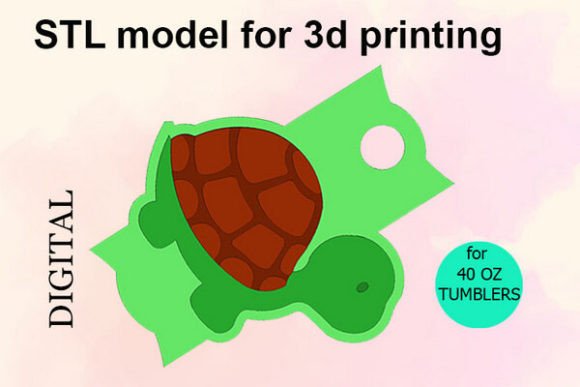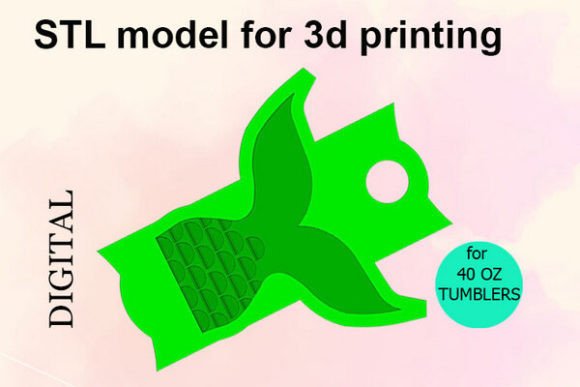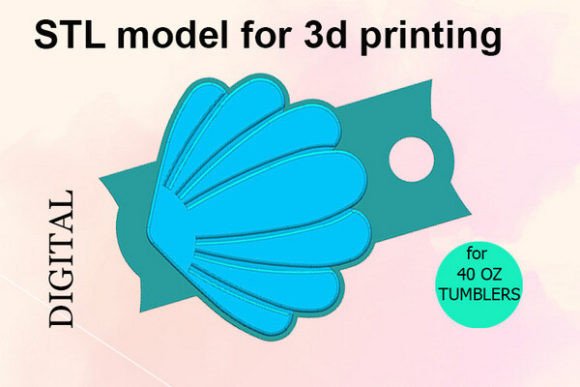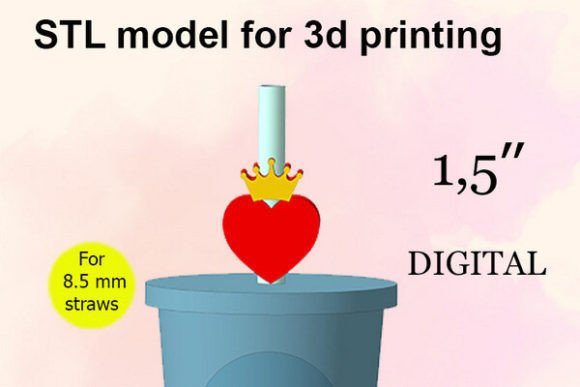
Honeybee 40 OZ Tumbler STL File: Custom Event Decor
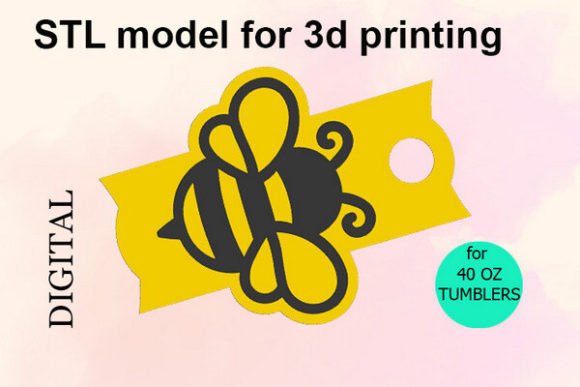
Elevating the aesthetic of a celebration often comes down to the smallest details. When planning a bee-themed party, garden gathering, or spring event, cohesive decor transforms a standard venue into an immersive experience. The Honeybee 40 OZ Tumbler STL file offers a practical solution for creators and hosts looking to add personalized, thematic touches to their drinkware. This digital asset is specifically engineered for 40-ounce tumblers, bridging the gap between functional hydration and decorative flair. By utilizing this ready-to-print design, you gain immediate access to a customizable accessory that supports your event’s visual narrative without the lead times associated with traditional manufacturing.
Enhancing Thematic Consistency Through Custom Fabrication
Creating a unified style for an event requires attention to accessories that guests interact with frequently. Drinkware is central to any celebration, yet standard tumblers often clash with carefully curated themes. This Honeybee topper addresses that disconnect by turning a utilitarian object into a deliberate design element. Such small but essential accessories create the style of the event and support the thematic bias effectively. Rather than relying on generic paper straws or plastic picks that may feel disconnected, a 3D-printed topper adds tactile weight and intentionality to the table setting.
For event planners and DIY enthusiasts, this level of customization ensures that every aspect of the guest experience aligns with the chosen motif. The charm of the Honeybee design delights both young and old, bringing smiles and excitement to kids and adults alike. This universal appeal makes it a versatile choice for multi-generational gatherings where decor needs to be sophisticated enough for adults yet playful enough for children. The ability to fabricate these items on demand means you can scale production precisely to your guest count, eliminating waste and ensuring everyone receives a matching accessory.
Material Versatility and Post-Processing Creativity
One of the significant advantages of working with an STL file is the freedom to select materials that best suit your specific environment and aesthetic goals. This file is suitable for printing with plastic of various colors, allowing you to match existing color palettes or create contrast as needed. A matte yellow PLA might evoke a natural, organic feel suitable for an outdoor garden party, while a glossy black or gold filament could lend a more modern, elegant touch to an evening reception. This material flexibility ensures the topper complements rather than competes with your overall decor scheme.
Beyond color selection, the design serves as an excellent canvas for manual decoration. After printing the topper on a 3D printer, you can paint, seal, or embellish it to achieve unique finishes that raw plastic cannot provide. Hand-painting details can elevate the piece from a simple print to a bespoke artisan item. For those hosting craft-focused events, the plain printed toppers can even serve as an activity station where guests customize their own drink accessories. This dual functionality—as both finished decor and creative medium—maximizes the value of the digital file for educators, camp counselors, and interactive event hosts.
Streamlining Production for Time-Sensitive Projects
Event planning operates on strict deadlines, and sourcing niche decor can often cause bottlenecks. This digital STL file is ready to print on your 3D printer immediately, removing shipping delays from the equation. You will receive an instant download file of this design once payment is made, allowing production to begin within minutes of purchase. Files are sent zipped for easy management, and this digital product includes one zip file with one STL file. This streamlined delivery system is crucial for last-minute additions or when replacing damaged items days before an event.
For those who do not own a 3D printer or lack the time to manage print farms, you can also order a print of this STL file from a print service. This option retains the benefit of custom fabrication while outsourcing the labor. It allows busy professionals and entrepreneurs to offer premium, customized experiences to clients without investing in hardware or learning slicing software. Whether you print in-house or outsource, the digital nature of the product ensures consistent quality and availability regardless of geographic location or retail stock levels.
Technical Fit and Practical Application Considerations
While digital fabrication offers immense creative freedom, successful implementation requires understanding technical specifications. The topper is designed specifically for 40 OZ tumblers, which have become a standard size for reusable drinkware. However, manufacturing tolerances vary between tumbler brands. Before committing to a large batch print, it is advisable to print a single test unit to verify fitment with your specific tumbler model. Slight variations in rim diameter or lid design across different manufacturers can affect how securely the topper sits. Taking this precaution saves filament and time, ensuring the final products function as intended during the event.
Users should also consider food safety and durability when selecting materials and post-processing methods. While PLA is generally considered safe for short-term contact with cold beverages, it is not dishwasher safe and can deform under high heat. If the toppers are intended for reuse or hot beverages, exploring PETG or food-safe certified filaments may be necessary. Additionally, if painting the toppers, ensure all sealants and paints are non-toxic and fully cured before use. Understanding these limitations helps you make informed decisions that balance aesthetics with guest safety and product longevity.
Maximizing Value for Creators and Small Businesses
For small business owners, market vendors, and content creators, this Honeybee 40 OZ Tumbler STL file represents more than just party decor; it is a scalable asset. Photographers and bloggers can use the toppers as props to enhance visual storytelling in social media content or product photography. The distinct shape and customizable nature make for engaging visuals that stop the scroll. Entrepreneurs selling customized tumblers can bundle these printed toppers as value-adds, differentiating their offerings in a saturated market without significantly increasing overhead costs.
Educators and community organizers can leverage the design for fundraising or awareness campaigns related to pollinators and environmental conservation. The tangible connection between the honeybee motif and ecological education provides a conversation starter that generic decor lacks. By integrating meaningful symbolism into functional items, you strengthen communication and engagement with your audience. The low cost per unit of 3D printing allows for high-margin add-ons or affordable giveaways, making it a financially sensible choice for budget-conscious projects that still require high perceived value.
Optimizing Print Settings for Best Results
Achieving a professional finish with this STL file depends heavily on proper slicer configuration. Because the topper features intricate details characteristic of a honeybee design, layer height and nozzle size play critical roles. A 0.4mm nozzle with 0.12mm to 0.16mm layer heights typically balances print speed with detail retention. Supports may be necessary depending on the orientation of the model; however, orienting the flat base against the build plate usually minimizes post-processing cleanup. Using a brim can improve adhesion for smaller footprints, preventing warping that could compromise the fit on the tumbler rim.
Infill density does not need to be high for decorative toppers; 15% to 20% is generally sufficient to maintain structural integrity while reducing print time and material usage. Perimeter counts matter more than infill for surface quality; increasing walls to three or four creates a smoother exterior that requires less sanding or filling before painting. Experimenting with different top surface patterns, such as ironing or monotonic lines, can produce a glass-like finish straight off the printer. These technical adjustments transform a basic digital file into a polished physical product that reflects professional craftsmanship and attention to detail.