Clay Cutter STL File Number Six 6 Design Asset
Elevate your tactile branding and product design workflow with the precision-engineered Clay Cutter STL File Number Six 6, a versatile digital asset that bridges the gap between screen-based graphic design and physical creative expression. For designers exploring textured brand identities or bespoke packaging elements, this bundle of number six clay cutters offers a unique opportunity to translate visual concepts into tangible forms. Whether you are prototyping custom jewelry, designing edible brand experiences with fondant, or creating distinctive holiday merchandise, having a reliable, easily printed STL file ensures your creative vision maintains integrity from pixel to polymer.
Bridging Digital Design and Physical Craft
In modern graphic design, the distinction between digital assets and physical deliverables is increasingly blurred. Brand identity often extends beyond logos and color palettes into three-dimensional touchpoints. This digital download provides the foundational geometry needed to produce consistent, high-quality physical assets that reinforce visual communication. By integrating these precise cutting tools into your design workflow, you ensure that handmade elements like earrings, barrettes, or cookies align perfectly with your established aesthetic standards.
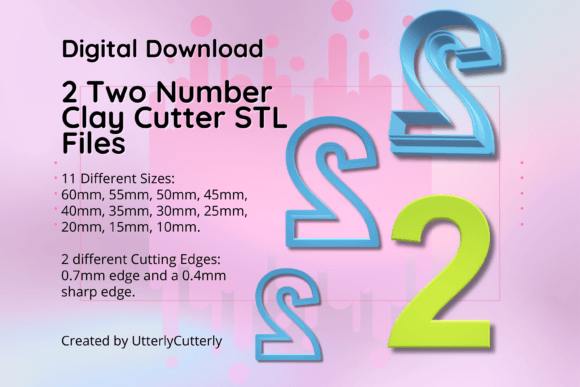
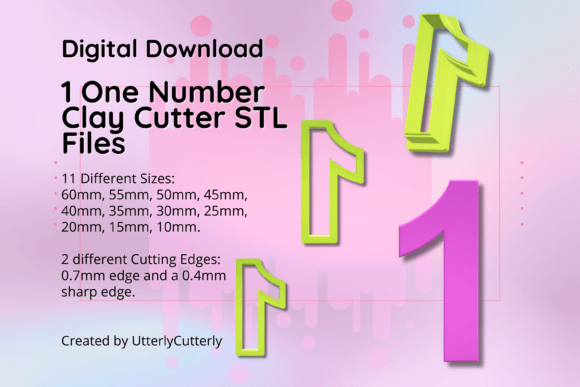
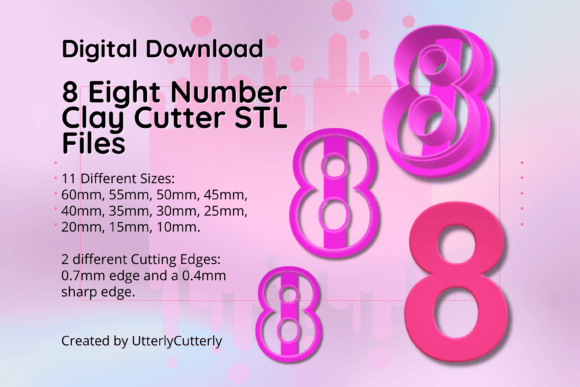
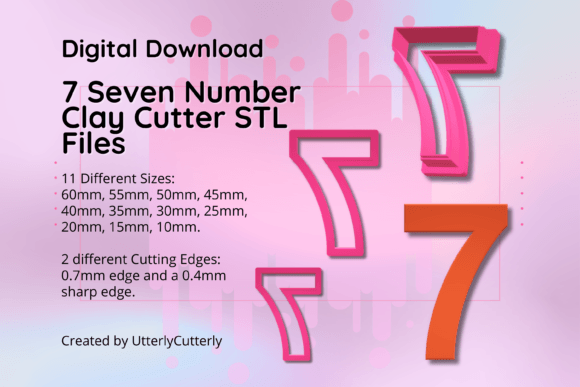
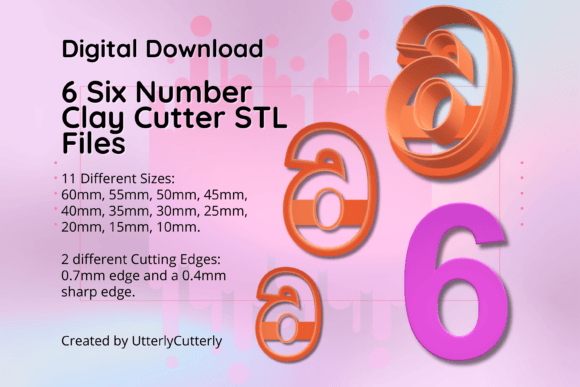
The utility of this asset lies in its scalability and technical specification. Much like selecting the right typeface for readability across devices, choosing the correct cutter size is vital for visual hierarchy in physical media. This pack includes 11 distinct sizes ranging from 10mm to 60mm, allowing creators to curate custom combinations that suit various applications, from delicate social media props to substantial packaging accents.
Technical Specifications for Optimal Output
Understanding the technical parameters of your creative assets is as crucial in 3D printing as it is in web design or typography. This STL file bundle offers two distinct cutting edge profiles to accommodate different materials and design goals:
- Standard Edge: Features a 0.7mm wall with a 3mm thick base and 12mm height, ideal for general-purpose clay work and durable cookie shaping.
- Sharp Edge (SE): Abbreviated as SE in the files, this variant includes a 1mm support wall with a refined 0.4mm cutting edge, maintaining the same 3mm base and 12mm height for cleaner cuts in softer mediums.
For projects requiring surface texture, note that any embossing lines are designed at 10.5mm tall. This specification dictates that users should work with clay thicker than 1.5mm to achieve a polished, professional result without structural failure. These precise measurements eliminate guesswork, streamlining the production process for makers and designers alike.
Applications in Branding and Creative Projects
Versatile design assets like the Number Six cutter serve multiple functions across creative disciplines. They are not merely tools for shaping material but instruments for extending brand narratives into new dimensions. Consider how these cutters can enhance various design touchpoints:
- Merchandise and Gifting: Create cohesive, branded gifts or limited-edition runs of jewelry and accessories that reflect your studio’s visual style.
- Editorial and Social Content: Produce custom-shaped props for flat lays and product photography, adding depth and thematic consistency to visual storytelling.
- Packaging Design: Develop unique wax seals, clay tags, or decorative elements that elevate unboxing experiences and reinforce premium positioning.
- Culinary Branding: Translate logo marks or iconic shapes into edible formats for events, launches, or hospitality partnerships.
New STL files are added to the store weekly, ensuring your library of creative assets remains current with evolving design trends. This continuous expansion allows designers to maintain freshness in their physical output while relying on a standardized, tested file format.
Maximizing Value from Digital Downloads
When incorporating 3D printable assets into a professional workflow, consistency is key. Ensure your printer is calibrated to handle the specific wall thicknesses outlined in the file specifications to maintain dimensional accuracy. Treat these STL files as you would vector graphics: scalable, editable within reason, and fundamental to your broader design system. Remember, this is a digital product; you will receive the data necessary to fabricate the tools yourself, granting full autonomy over production timelines and material choices.
Ultimately, thoughtful selection of fabrication assets directly influences the perceived quality of the final object. Just as poor kerning can undermine a beautiful typeface, an imprecise cutter can compromise a carefully designed form. By utilizing professionally graded STL files with clear technical documentation, designers and makers can focus on creativity and execution, confident that the underlying geometry supports their artistic intent. Investing in high-quality digital fabrication resources is an investment in the tangible expression of your brand’s identity.